Case Study · WordPress · Accessibility · GOVERNMENT
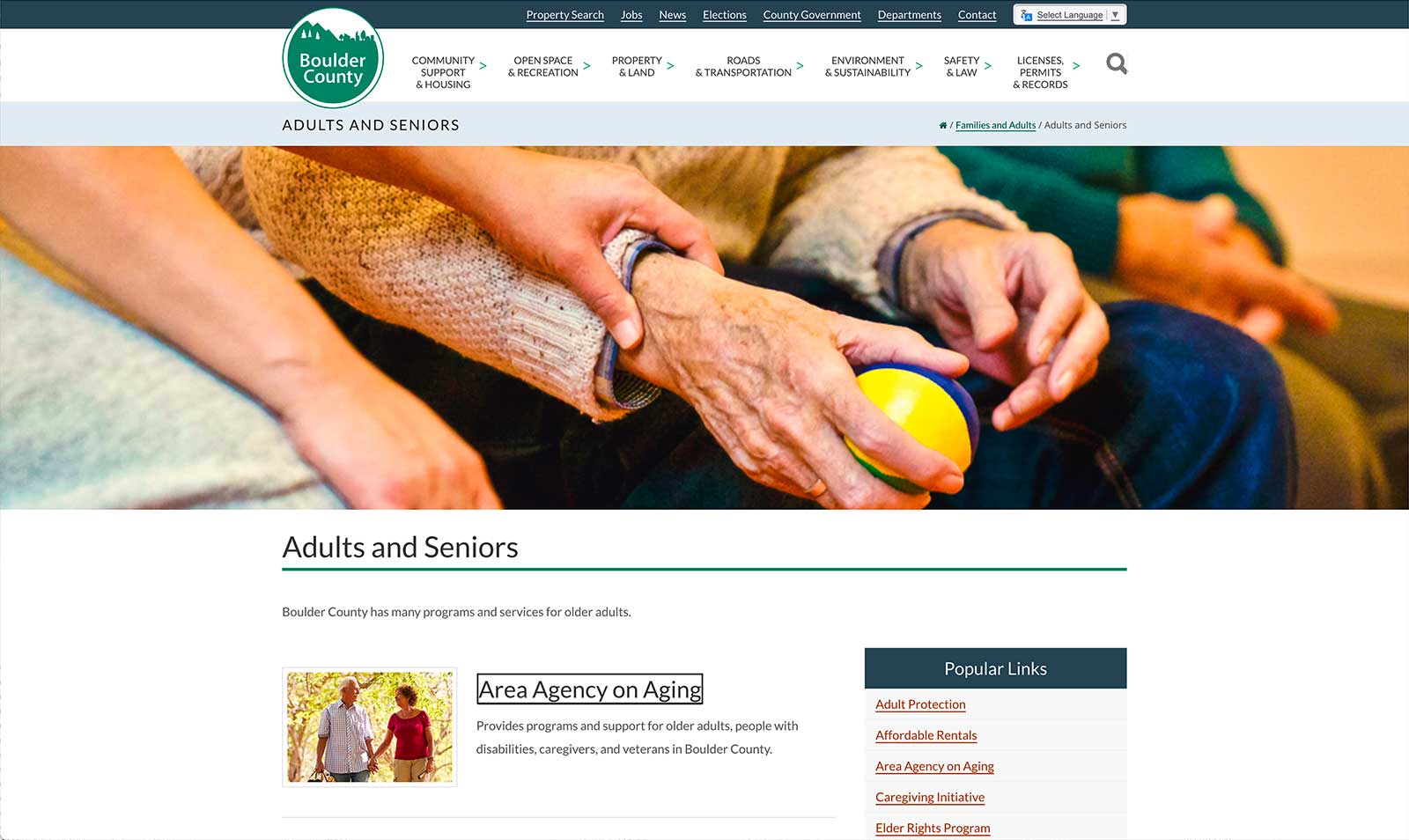
Boulder County manages a large public website with thousands of pages, many departments, and a wide range of community users. They needed ongoing accessibility support that went beyond automated scans — including template-level improvements, screen reader testing, content editor guidance, and practical fixes that made the site easier to navigate for more people.

Accessibility Challenges
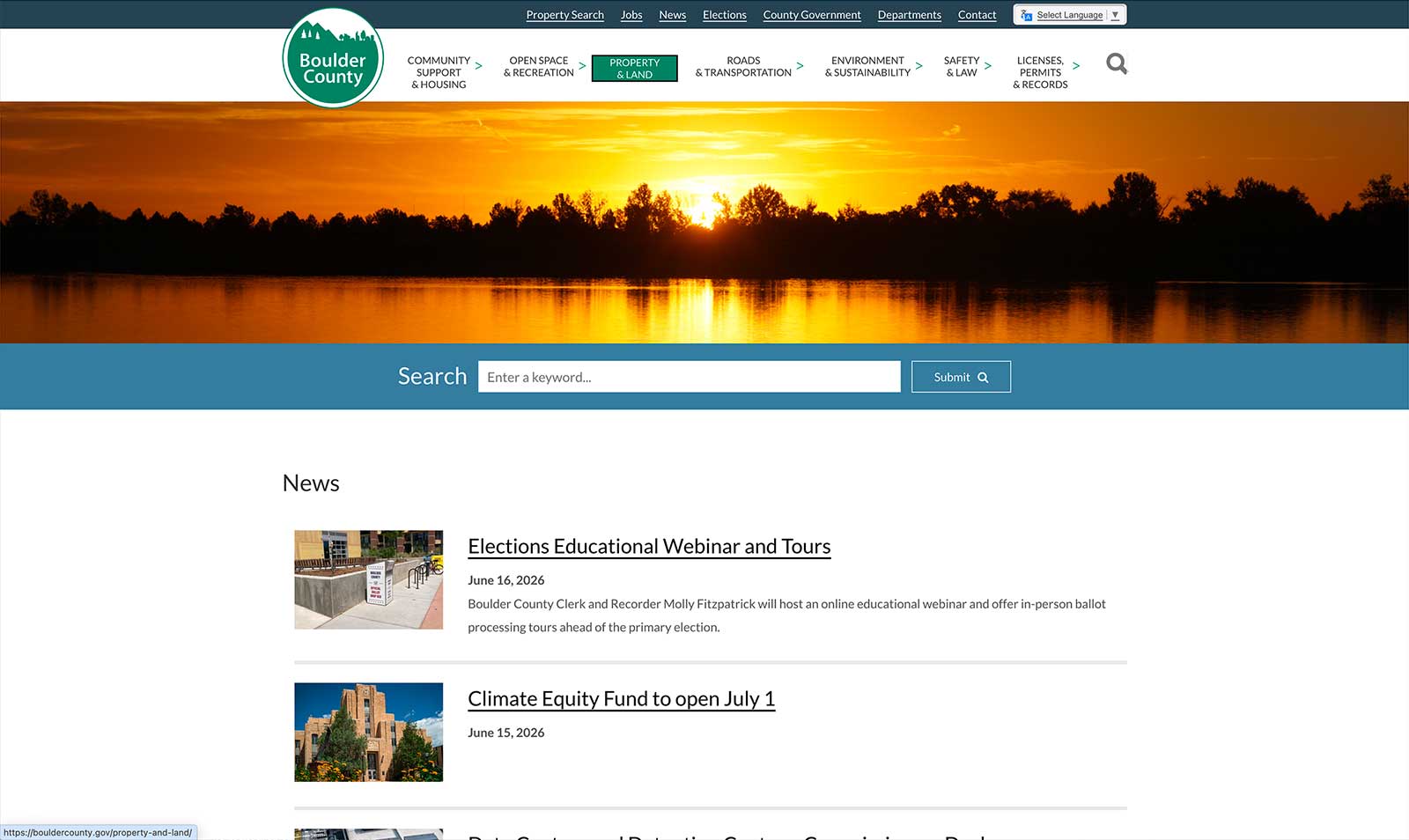
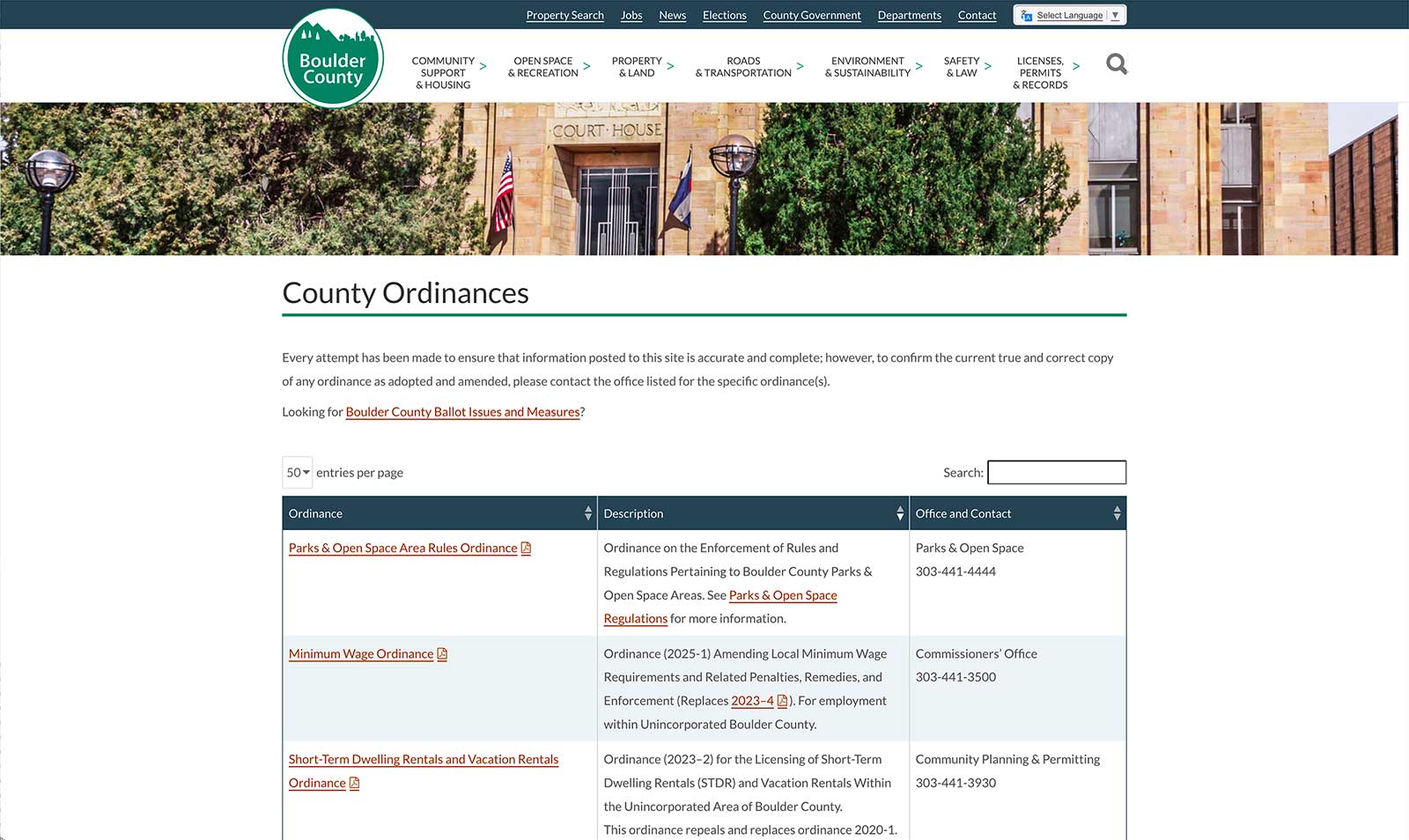
Boulder County’s website includes approximately 1,800 pages across many departments and content owners. Their team uses SiteImprove to monitor accessibility issues, but many improvements required deeper technical support — especially when issues involved page structure, templates, tables, keyboard navigation, or screen reader behavior.
Because the site serves the public, accessibility could not be treated as a one-time checklist. Boulder County needed an ongoing partner who could interpret accessibility reports, test real user experiences, and implement improvements that worked across a complex WordPress environment.
WCAG Remediation Strategy
Accessibility Improvements
Accessibility improvements are often invisible to visual users, but they make a significant difference for keyboard and screen reader navigation.
The Result
Technical accessibility issues were addressed at the template and structural level
Screen reader and keyboard navigation became easier and more predictable
Large tables and complex content became more usable across devices and assistive technologies
Content editors had clearer guidance for maintaining accessibility over time
Boulder County improved accessibility beyond basic automated scan results
The site became easier to maintain as accessibility needs continued to evolve
Key Takeaway
For large public-sector websites, accessibility is not solved by a widget or a one-time scan. It requires technical expertise, real-world testing, content training, and ongoing improvements that make the site more usable for everyone.
This project helped Boulder County improve accessibility across a large, complex website while supporting the internal teams responsible for keeping the content current.
We help organizations identify accessibility issues, improve real-world usability, and build more inclusive digital experiences.